Forklift selection guide

Choose forklift equipment around the job

Compare forklift types by load, height, access, surface, power and daily operating demands before comparing price.

Start with the application

What determines the right forklift type?

The right forklift is not simply the truck with enough capacity printed on its data plate. A useful equipment decision begins with the heaviest load, its dimensions and load center, then follows the complete travel path from pickup to placement. Lift height, residual capacity, aisle width, doorway clearance, turning space, floor or ground conditions and attachment weight can eliminate otherwise attractive machines.

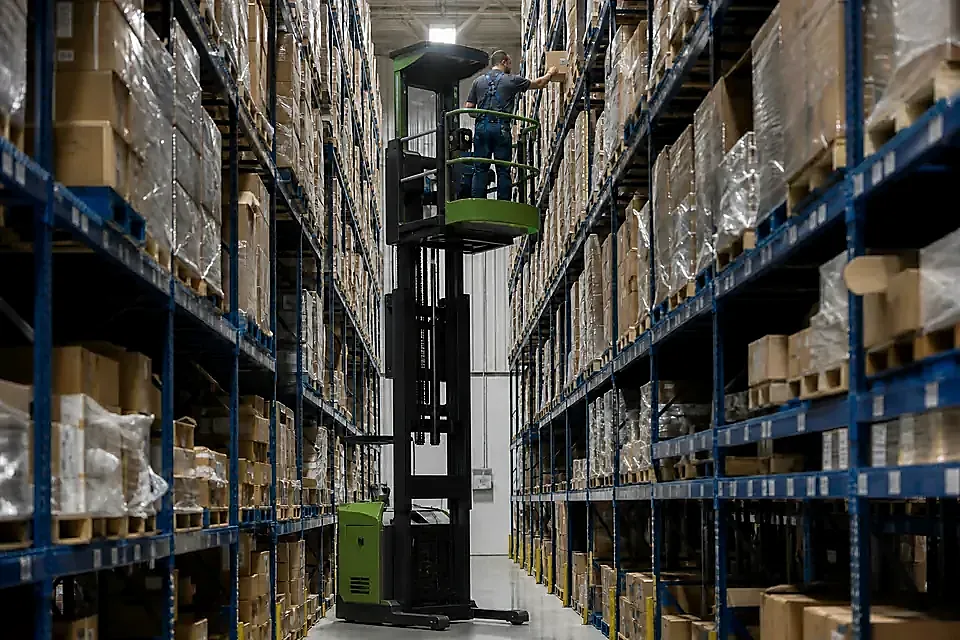
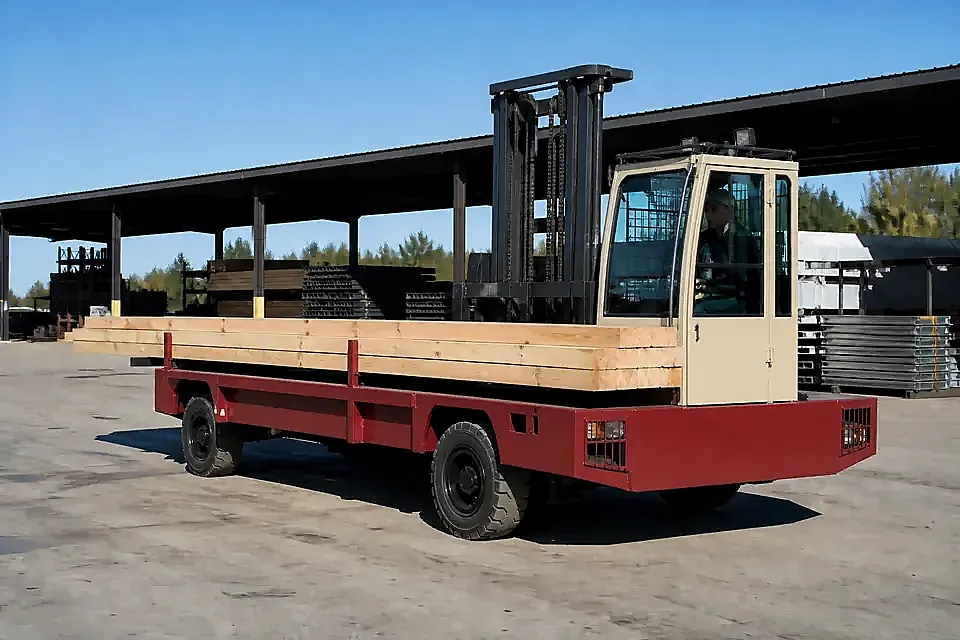
Indoor warehouse work may point toward electric forklift equipment, narrow-aisle reach trucks or warehouse order pickers. Docks and mixed indoor-outdoor routes may favor propane or pneumatic-tire trucks. Construction placement can require a telehandler forklift, while long lumber, pipe or steel may justify a side loader forklift.

Only after the application is clear should a buyer compare new and used forklifts, rental availability, financing and forklift equipment prices. This order prevents an attractive price from steering the business toward the wrong machine.
Compare by operating need

Explore 12 forklift equipment types

Each guide explains suitable jobs, key specifications, popular model families and the information needed to compare buying, used equipment, rental and pricing options.

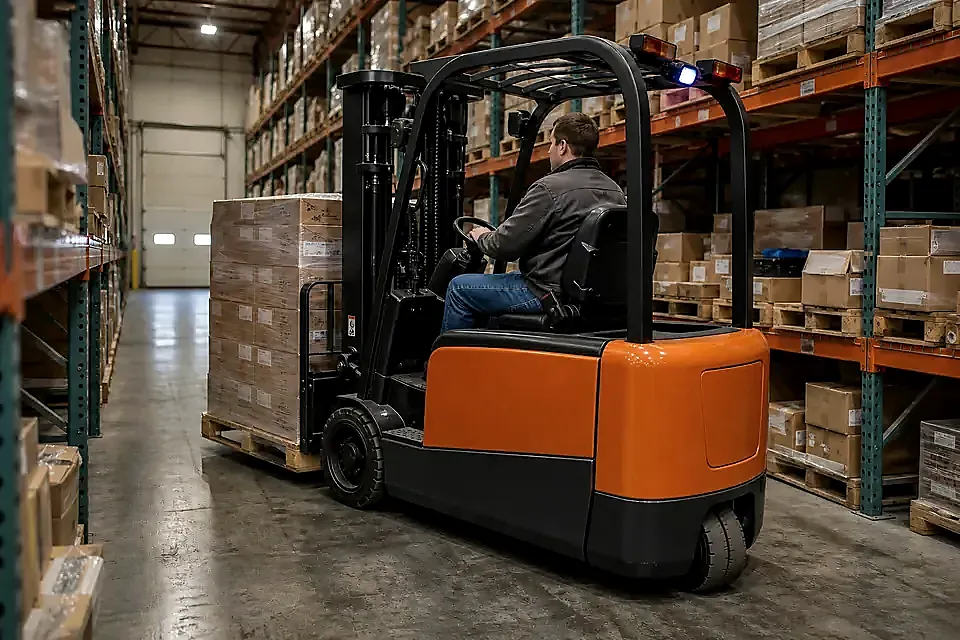
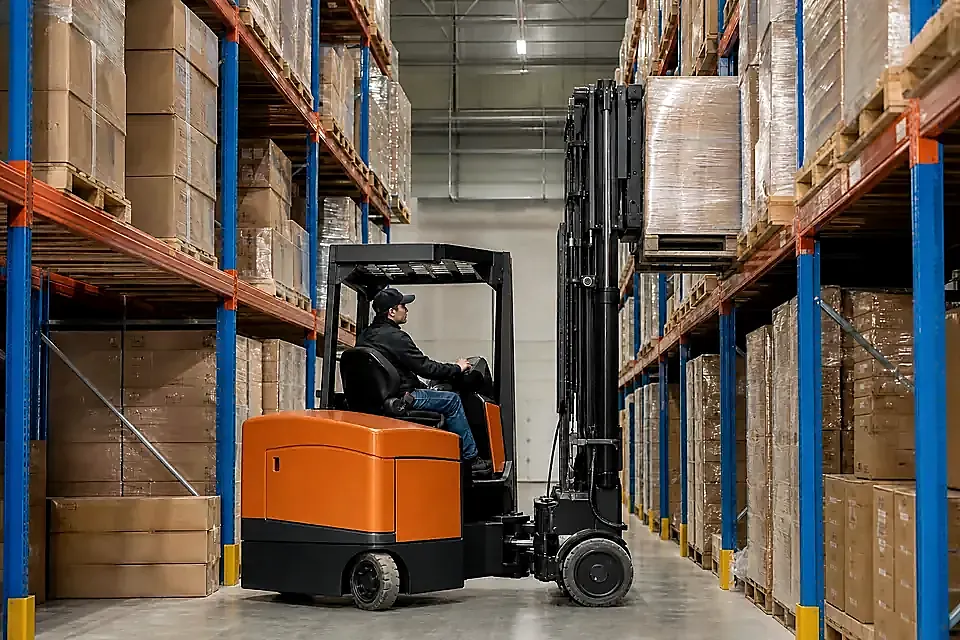
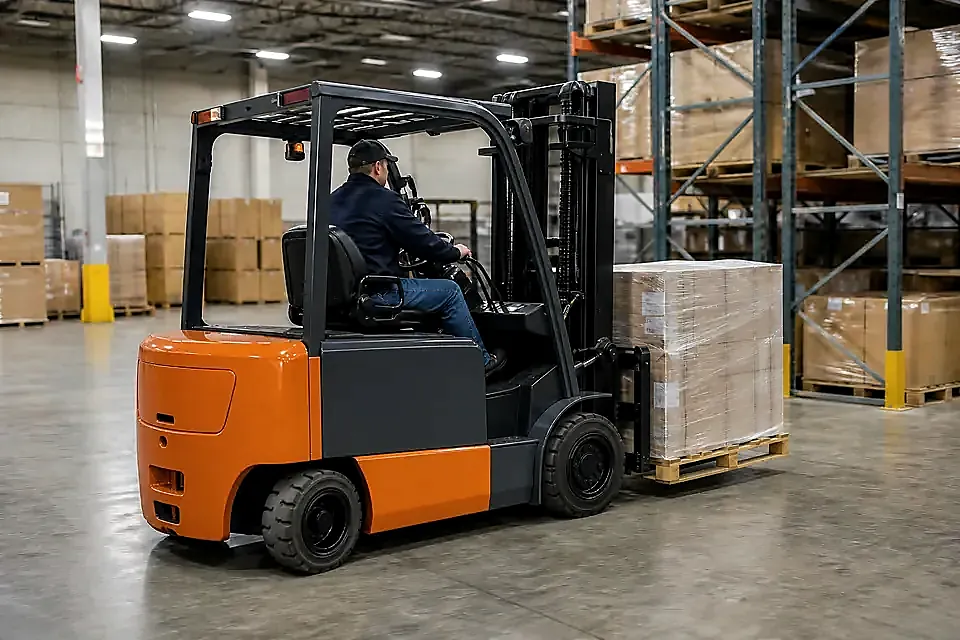
Orange electric counterbalance forklift handling a pallet
INDOOR

Electric Forklifts

Battery-powered counterbalance trucks for warehouses, food facilities and production operations.

Compare electric forklifts →
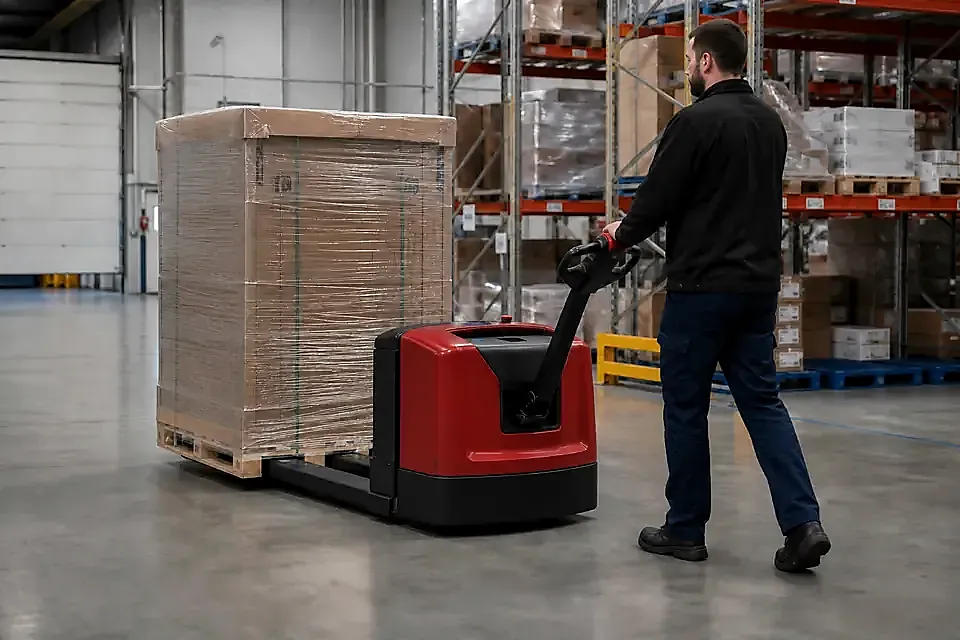
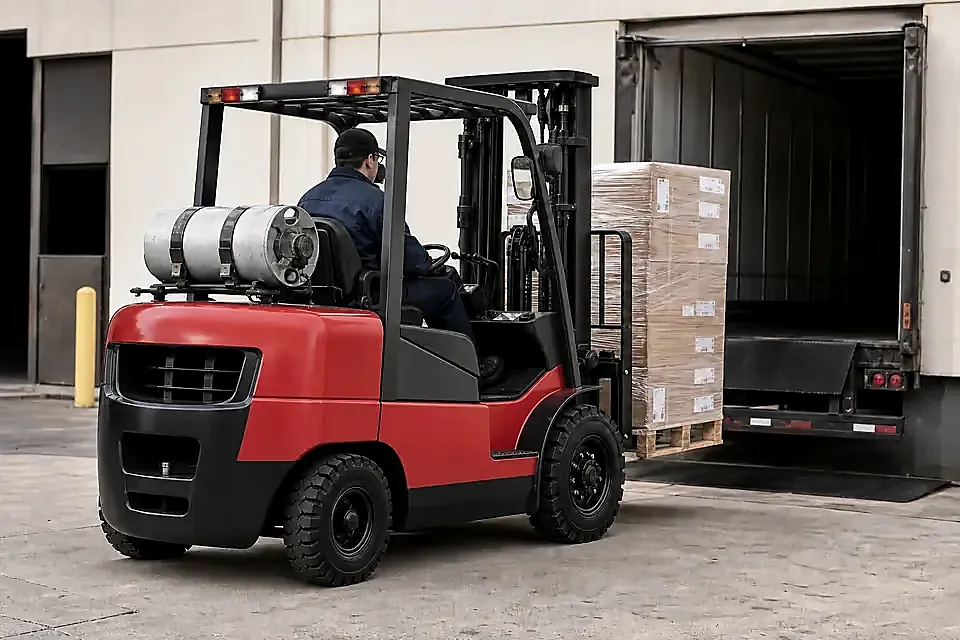
Red pneumatic propane forklift at a loading dock
INDUSTRIAL

IC Forklifts

Propane and diesel forklifts for docks, yards and demanding industrial applications.

Compare ic forklifts →
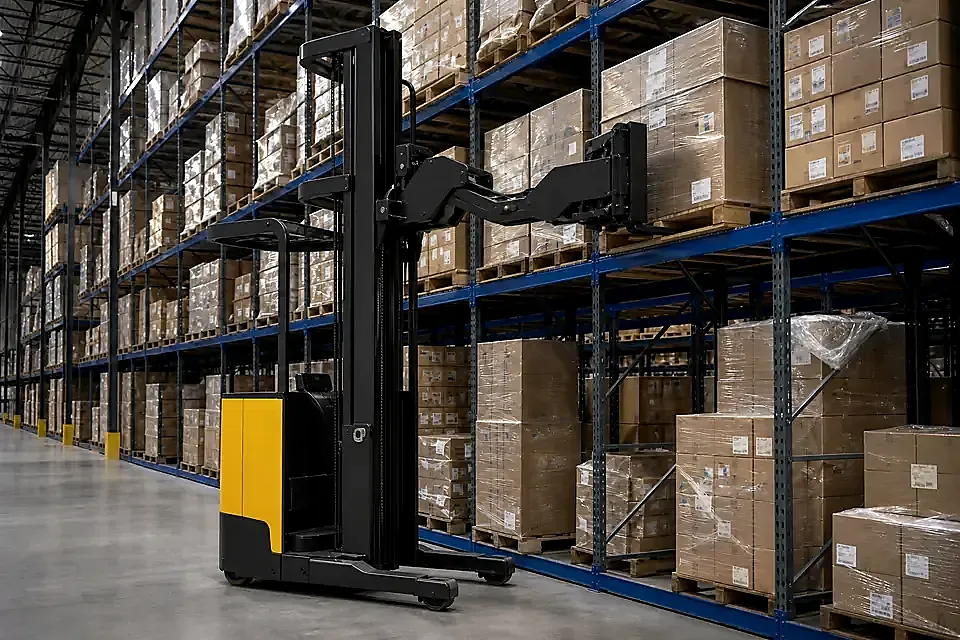
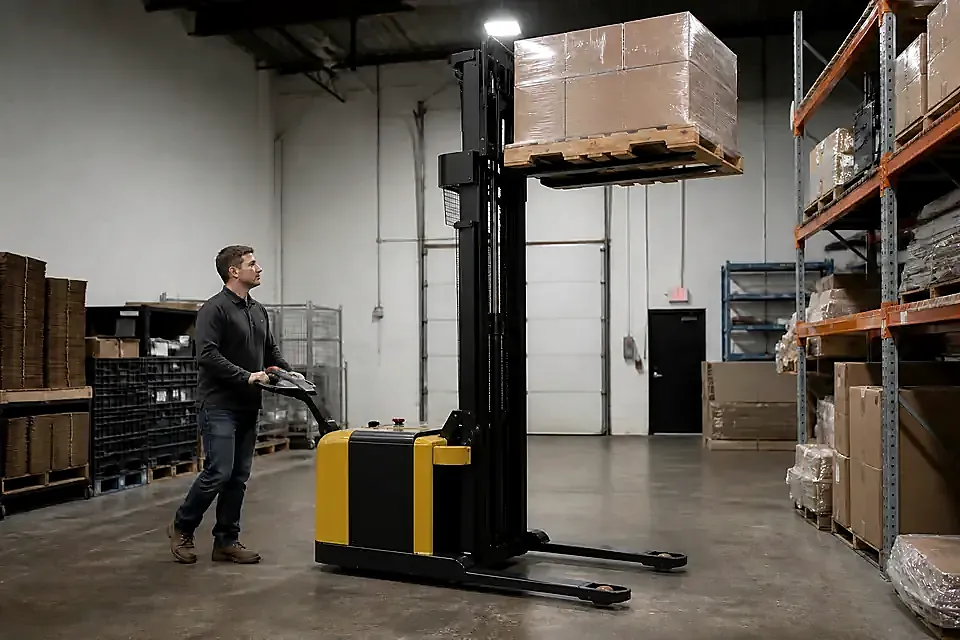
Yellow stand-up reach truck in warehouse rack
NARROW AISLE

Reach Trucks

High-lift reach trucks for selective rack and dense narrow-aisle warehouse storage.

Compare reach trucks →
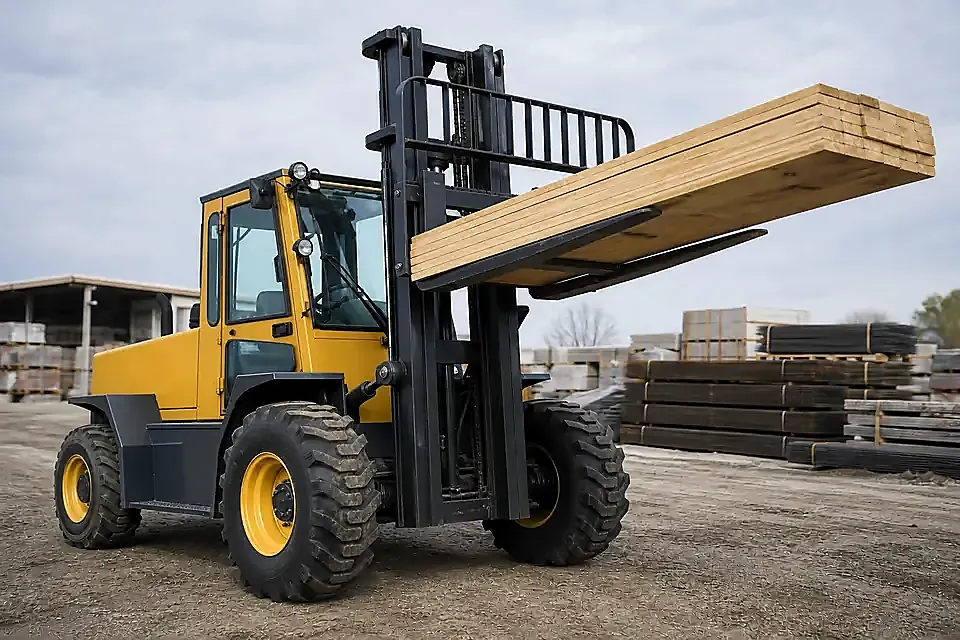
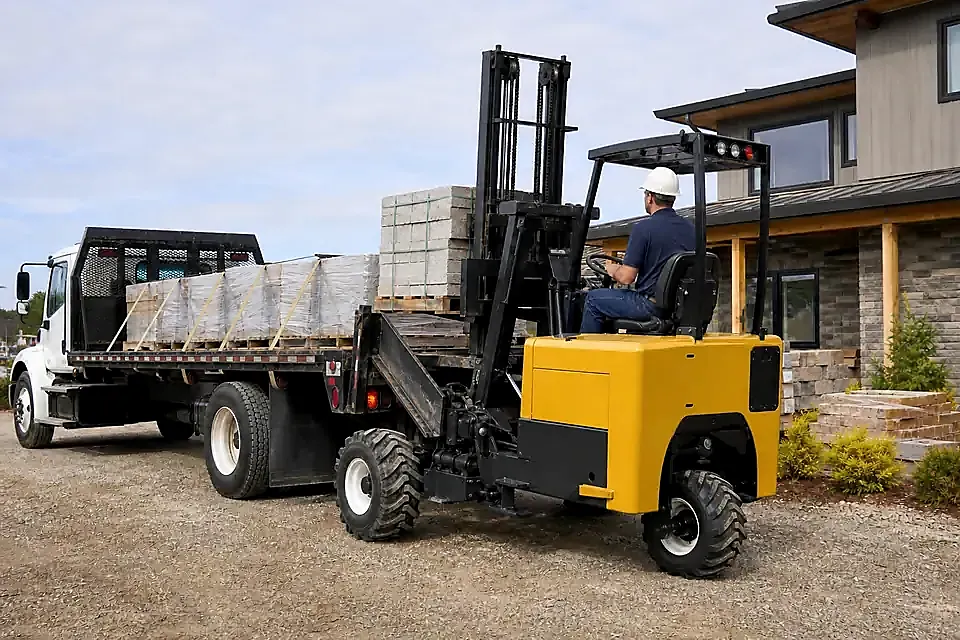
Yellow rough terrain vertical mast forklift outdoors
OUTDOOR

Rough Terrain

High-clearance vertical-mast forklifts for uneven sites and construction supply yards.

Compare rough terrain →
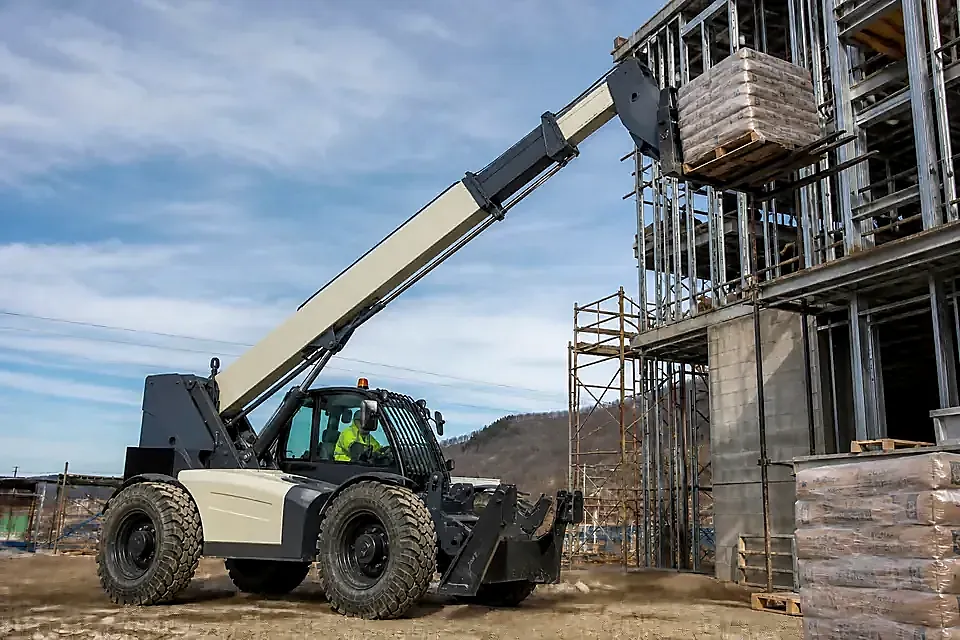
Telescopic handler placing palletized material
CONSTRUCTION

Telehandlers

Telescopic material handlers for forward reach and elevated jobsite placement.

Compare telehandlers →

Selection factors

Key questions before choosing a forklift

What does the forklift actually lift?

Record the maximum weight, dimensions, load center, stability and whether loads are palletized, clamped, suspended or unusually long. Usable capacity may fall as the mast rises or an attachment changes the load center.

How high and how far must it reach?

Vertical mast forklifts, reach trucks, order pickers and telehandlers solve different height and reach problems. Confirm collapsed mast height, maximum placement height and forward reach where applicable.

How much access space is available?

Measure clear aisle width, rack-to-rack distance, doors, trailers, elevators and turning points. A three-wheel, reach or articulated forklift may fit where a conventional counterbalance truck will not.

What surface will the machine travel?

Smooth concrete, dock plates, gravel, grades and unimproved sites require different tires, clearance and drive systems. Warehouse equipment should not be assumed suitable for uneven outdoor ground.

Which power source fits the facility?

Electric, propane and diesel equipment involve different charging, fueling, ventilation, emissions and shift-planning requirements. Evaluate energy infrastructure and expected run time together.

What support will ownership require?

Compare service access, parts support, inspections, operator training, battery care and planned maintenance. Total equipment cost includes downtime and support—not only purchase price.

Should you buy, rent or finance forklift equipment?

Buying new equipment can support exact mast, power, tire and attachment specifications. Used forklifts may lower acquisition cost when condition, hours and configuration match the job. Rental can cover projects, seasonal demand and temporary replacement without committing to a long ownership cycle. Financing may help align acquisition cost with operating budgets.

Review the buy, rent or lease comparison, browse forklift inventory categories, or submit the forklift quote checklist with the application details above.

Ready to compare?

Turn the job requirements into equipment options

Share the load, environment, location and timing to review appropriate new, used and rental paths.

Get Forklift Pricing
Compare Prices Now