Multi-location buyers naturally want fewer models, common parts and consistent training. Standardization can deliver those benefits, but only when the operating jobs are genuinely similar. A national “one truck” rule can quietly create poor fits at several buildings.
Start with a shared application worksheet, then use the nationwide equipment network and category guides to compare local availability and support.
Standardize the decision process before the model number
Every site should report load, height, aisle, surface, shifts, attachments and energy constraints in the same format. Procurement can then group truly similar jobs and establish approved configurations. This is more durable than naming one model before the data is collected.
A regional distributor with five different warehouse layouts
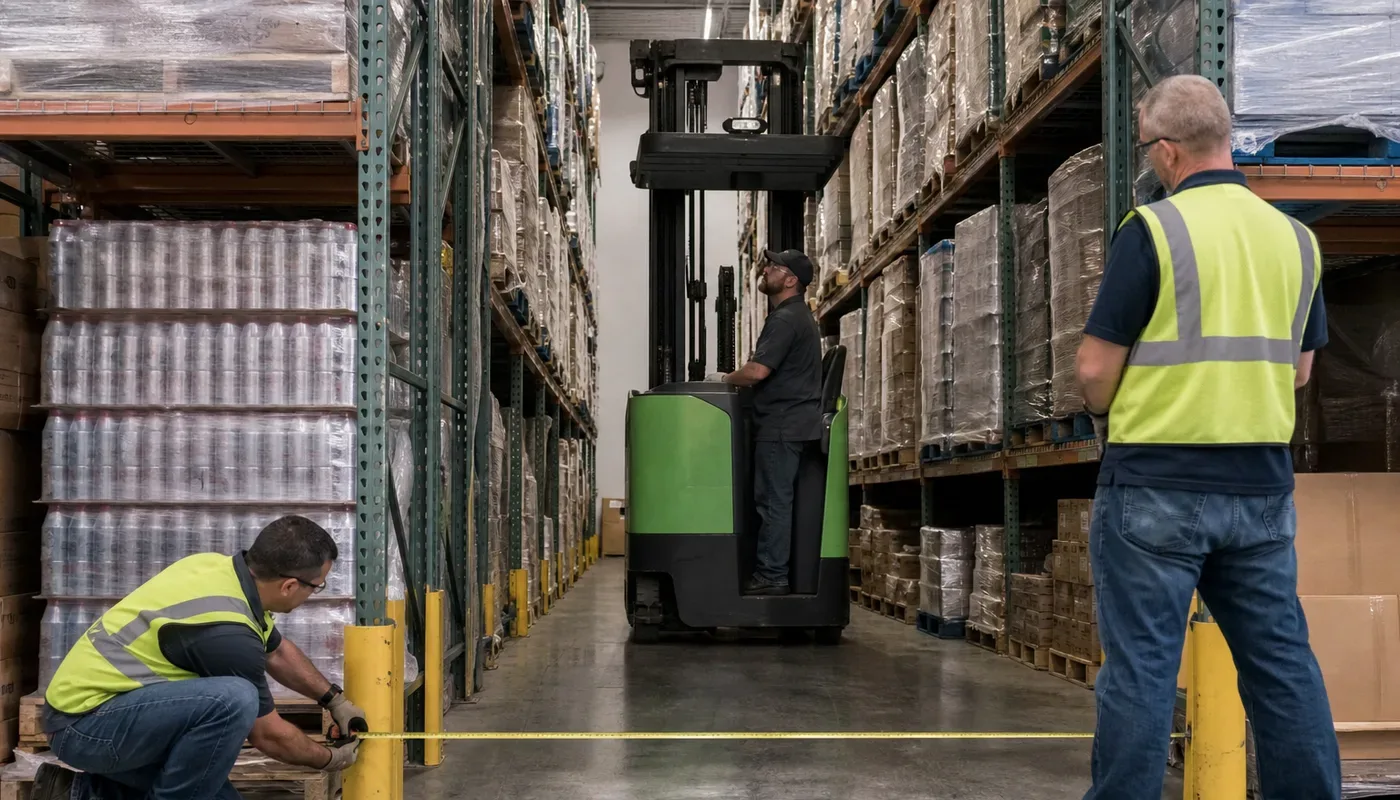
A distributor operates five buildings. Three use similar racks and pallet weights; one has a tight older warehouse, and one handles outdoor building materials. Standardizing the three warehouse fleets makes sense. Forcing the same electric counterbalance truck into the narrow building and outdoor yard does not.
The company can still standardize safety features, telematics fields, documentation, colors, procurement terms and maintenance reporting across all five sites while allowing three equipment families.
Create application classes
Group work into repeatable classes such as dock counterbalance, high-bay reach, floor-level pallet transport and outdoor yard.
Define required and optional features
Separate safety and reporting standards from local options such as mast height, tires, cab or attachment.
Compare total delivered cost by site
Freight, taxes, setup, charger installation and service coverage vary. A national price is not the whole local cost.
Build a service and parts plan
Map dealer coverage, response process, common parts and escalation. Standard equipment has limited value if support is inconsistent.
Govern exceptions openly
Require a short operational reason for exceptions. Legitimate differences should be visible rather than hidden in emergency purchases.
Questions worth asking before you choose
- Which applications are truly common across locations?
- What specifications can be standardized safely?
- Which local conditions require exceptions?
- How will maintenance and downtime be reported consistently?
- Who approves replacements, rentals and emergency substitutions?
What a useful proposal should make clear
A useful equipment proposal identifies the actual model or model family, capacity at the required height, mast and tire configuration, power package, attachments, condition, hours, warranty, freight, delivery timing and what service support is included. Put exclusions beside the price. That is the only dependable way to compare two offers that look similar on the first page.
A practical next step
Use the multi-location forklift request to compare repeatable equipment classes with the exceptions each facility actually needs.
Frequently asked questions
Does fleet standardization require one forklift brand?
No. Organizations can standardize specifications, controls and reporting while allowing more than one supported brand.
Should every site use the same battery system?
Only when duty cycles, truck compatibility, infrastructure and temperature conditions align.
How often should fleet standards be reviewed?
Review them when facilities, products, shifts or equipment technology change, and on a regular procurement cycle.